
The Role of Luck in Gambling
Luck plays a pivotal role in the gambling universe, particularly in casinos where games are structured to yield random results. Players engage with games of chance, such as slot machines and roulette, often believing that luck significantly shapes their outcomes. This perception arises from the inherent unpredictability of these games, where the results can turn on a dime. For those looking to explore their options further, the best online casino australia offers a variety of experiences that highlight this element of chance. Acknowledging how luck operates within this context is crucial, as it serves both as psychological comfort for players and as a core aspect of the gaming experience itself.
Many gamblers link their victories and defeats to luck, frequently uttering phrases like « today is my lucky day » or lamenting « I must have bad luck. » These beliefs can drastically affect their gambling behavior and decision-making processes. For instance, a player who feels fortunate may take greater risks, while one who feels unlucky may opt for more conservative wagers. Despite the compelling nature of luck, it is essential to recognize that while it can influence short-term outcomes, the long-term results of casino games are predominantly dictated by mathematical principles such as house edge and probability, which ultimately govern the gambling landscape.
Research in behavioral economics indicates that individuals perceive luck differently, leading to variations in gambling behavior. Some players hold firm beliefs in winning or losing streaks, prompting them to make betting choices based on perceived luck rather than statistical realities. This belief can result in overconfidence or increased discouragement, affecting the frequency of their gambling or the size of their wagers. By understanding the dynamics between luck and the underlying probabilities, players can empower themselves, adopting more informed strategies that enhance their overall gambling experience.
The Impact of Game Mechanics
Casino games are intricately designed with specific mechanics that shape the probabilities of various outcomes. Take slots, for example; the Random Number Generator (RNG) is responsible for outcomes that rely entirely on chance. While players may experience what they perceive as ‘lucky’ wins, these instances are often statistical anomalies rather than genuine reflections of luck. Over time, the house edge is built into the games, ensuring that casinos remain profitable, regardless of individual player fortunes. This interplay reveals the complexity of luck’s role in casino games, emphasizing that while it may feel significant, it operates within a controlled and mathematically defined environment.
Conversely, games like poker incorporate elements of skill alongside luck. While a player might receive a strong hand due to chance, consistently winning necessitates understanding strategy, psychology, and probability. Skilled poker players can harness their expertise to counteract bad luck and exploit advantageous situations. Hence, although luck is indeed a factor in poker, it intertwines with skill, making the outcome a combination of informed decision-making and random chance. This unique blend reshapes how players perceive their control over game results, offering a more nuanced understanding of their gambling experiences.

The mechanics of different games can also distort perceptions of luck that do not accurately reflect reality. Players often engage in rituals or superstitions, believing that certain behaviors can summon good fortune. This phenomenon persists despite the lack of any real influence on the game’s mechanics. For example, a player might insist on sitting in a particular chair at a roulette table or donning a « lucky » outfit, convinced that these actions sway the game’s outcome. Acknowledging how game design shapes perceived outcomes allows players to appreciate luck’s role more realistically, enabling them to make more rational decisions and enhancing their overall enjoyment of gambling.
The Psychological Aspect of Luck
The psychology surrounding luck in gambling involves intricate emotions and cognitive biases. The dichotomy of ‘lucky’ versus ‘unlucky’ significantly influences a player’s gambling journey. Gamblers may be swayed by cognitive biases that lead them to remember their victories more vividly than their losses. This selective recollection can distort their perception of luck, making them feel exceptionally fortunate based on a few wins, even if their overall results are unfavorable. Such biases can trigger behaviors like chasing losses or overestimating one’s skill, complicating the gambling experience.
In addition, the social dimension of gambling reinforces beliefs in luck. Players frequently share tales of remarkable wins and devastating losses, creating a narrative around luck that fosters a sense of community and shared experience. This storytelling culture can perpetuate belief in luck, making it seem more tangible and real than it actually is. In the vibrant atmosphere of a casino, excitement and camaraderie enhance feelings of luck as players collectively celebrate wins, contributing to a culture that favors luck-based narratives. This shared experience can deepen a gambler’s emotional connection to the idea of luck, making it a significant factor in their decision-making process.
The perception of luck is potent enough to influence financial decisions. Individuals may allocate more funds to gambling when feeling ‘lucky’ or may adopt a less cautious betting approach. Such behavior underscores the psychological grip of luck on gamblers and highlights the necessity of recognizing when these beliefs lead to irrational choices. By understanding these psychological influences, players can approach gambling more mindfully, diminishing the sway of perceived luck on their decisions and promoting a healthier gambling experience that balances enjoyment with responsibility.
The House Edge and Rational Decision-Making
While players may feel that luck plays a substantial role in casino outcomes, it is essential to acknowledge the house edge as a significant factor in every game. The house edge refers to the mathematical advantage that casinos possess over players, ensuring consistent profitability regardless of individual results. Players who concentrate solely on luck may overlook the implications of the house edge, which can lead to poor decision-making and financial setbacks. Understanding this concept is vital for anyone wishing to gamble responsibly, as awareness of the house edge can guide betting strategies and improve overall decision-making.
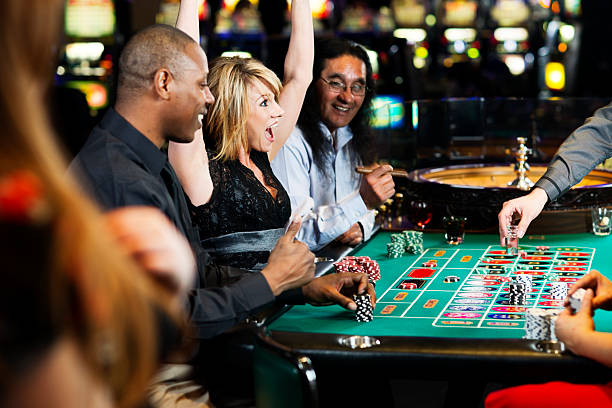
Awareness of the house edge can foster more rational and informed gambling strategies. Players who grasp the probabilities associated with each game can devise approaches that minimize risk and maximize enjoyment. For instance, choosing games with a lower house edge enables players to enhance their overall experience and possibly extend their gameplay. This strategic mindset contrasts sharply with a reliance on luck, which often results in impulsive betting and financial strain. By focusing on probability and strategy, players can transform their gambling approach from one primarily based on chance to one grounded in informed decision-making.
Ultimately, while luck may influence isolated outcomes, it is crucial to remember that gambling is a long-term endeavor. Relying solely on luck without comprehending game mechanics and probabilities can culminate in a negative experience. By engaging with educational resources and adopting responsible gambling practices, players can cultivate a healthier perspective regarding luck in casinos. This shift not only elevates their enjoyment but also increases the likelihood of making informed decisions that align with their financial and entertainment objectives.
About Our Website
Our website serves as a comprehensive resource for individuals interested in exploring the complexities of gambling outcomes and the influence of luck within this realm. We strive to provide insightful information on various casino games, strategies, and the psychology of luck, empowering players to make informed decisions. Through a blend of expert articles and user-friendly guides, our platform aims to educate readers about the realities of gambling, helping them navigate the often misleading perceptions surrounding luck.
We believe that knowledge is empowering, especially in a domain where misconceptions can lead to poor choices. Our content delves into the psychological aspects of gambling, the mechanics of different games, and the principles of responsible gaming. By fostering awareness and understanding, we equip players with the tools necessary to enhance their gambling experience while recognizing the importance of informed decision-making. This educational focus seeks to demystify gambling and help players look beyond the allure of luck.
Join us as we investigate the intricate relationship between luck and gambling, learn about the mathematical principles governing each game, and connect with like-minded individuals. Our commitment is to provide a reliable source of information that promotes a balanced, informed approach to gambling, merging the excitement of games with the wisdom of knowledge. By engaging with our content, players can enrich their understanding and cultivate a more rewarding gambling experience, appreciating both the thrill of chance and the necessity of strategy.